How Technology Is Transforming Corporate Fleet Management
How Technology Is Transforming Corporate Fleet Management: Our New White Paper with FleetCompetence

Corporate vehicle fleets are essential to keeping many organisations moving. But the way they are managed has not always kept pace with the complexity of modern operations.
Local spreadsheets, email reminders and disconnected supplier portals can work when a fleet is small and straightforward. As a business grows across departments, locations or countries, those processes become harder to oversee. Costs are spread across multiple suppliers, compliance information sits in separate systems, and reporting can be difficult to compare. Meanwhile, cost volatility, electrification and sustainability commitments are increasing the pressure on fleet teams.
Our new white paper, produced with FleetCompetence International, explores how technology can help complex organisations move from fragmented fleet administration to a more governed, data-driven capability.
The question at the heart of the paper is practical: how can you improve cost control, compliance confidence and sustainability outcomes without taking away the local flexibility your operations need?
Why are traditional fleet processes reaching their limits?
In many organisations, central fleet teams spend a significant amount of time collecting data, chasing updates and reconciling reports. That work may be necessary, but it leaves less time for strategic priorities such as fleet optimisation, policy development and long-term cost planning.
The white paper identifies four structural forces that make the traditional model increasingly difficult to sustain.
- Cost pressure without a clear, comparable picture
Fleet costs can sit across leasing, fuel and energy, maintenance, tyres, insurance, taxes, tolls, fines and incidents. Providers may categorise the same costs differently, and the information may not be connected to a specific vehicle, driver or cost centre. Differences in currency and tax treatment can make comparisons across countries more complicated still. Without a consistent view, it is difficult to know where costs are rising or why. - Compliance managed through informal processes
Spreadsheets and email reminders can help individual teams manage checks, documents and inspections. Across a larger fleet, however, informal processes make oversight inconsistent. Gaps may only become visible during an audit, incident or regulatory review, when resolving them can be more costly and disruptive. - Electrification and sustainability adding new decisions
Electrification is not simply a matter of replacing one vehicle type with another. EV suitability depends on real-world journeys and operating patterns. Charging access varies by location, energy costs need to be understood alongside fuel costs, and driver acceptance matters. For a credible net zero fleet plan, you need reliable data on both vehicle use and emissions. - Central teams becoming data aggregators
When reporting is inconsistent, fleet specialists can become occupied with chasing information, correcting errors and combining spreadsheets. Strategic projects are then delayed or diluted, even as the business needs better oversight and faster decisions.
What can digital fleet management make possible?
The white paper makes the case for digitalisation as more than a technology upgrade. Its value comes from creating a shared structure for fleet data and processes, so that teams can act on information rather than spend their time trying to assemble it.
A connected approach can support:
- A consistent “one fleet view”. Normalised master data for vehicles, drivers, contracts and cost categories helps leadership see the fleet as one asset base, even when local operating needs differ.
- Earlier visibility of cost changes. When invoices are linked to vehicles, drivers and cost centres, teams can identify anomalies sooner and monitor mileage against contract terms.
- Clearer fleet lifecycle processes. Requests, orders, deliveries, assignments, servicing and returns can each have defined ownership and completion criteria. Local variation can remain, while the core structure stays consistent.
- Compliance by design. Role-based access, automated document and inspection tracking, and audit trails can help embed fleet compliance into normal processes rather than relying on reminders alone.
- More actionable sustainability information. Accurate CO₂ baselines by vehicle, unit and country support emissions monitoring and more informed decisions about where EVs may be suitable.
These capabilities do not remove the need for professional judgement. They can, however, help you make that judgement using information that is more timely, comparable and connected.

How can technology support electrification and ESG goals?
For many organisations, fleet emissions are an important part of their Scope 1 footprint. Yet a credible plan needs to go beyond a headline target. It requires a clear baseline, an understanding of actual vehicle use and a way to monitor progress over time.
Digital tools can help bring those elements together. Vehicle-level data can support CO₂ reporting and show where emissions are concentrated. Usage information can help assess EV suitability based on real journeys, rather than assumptions. Charging availability and energy costs can then be considered alongside operational requirements and whole-life costs.
Driver acceptance is part of the same picture. A vehicle and charging arrangement that looks suitable in a spreadsheet may not work well for a particular role or location. Combining data with input from local teams and drivers helps make electrification decisions more practical.
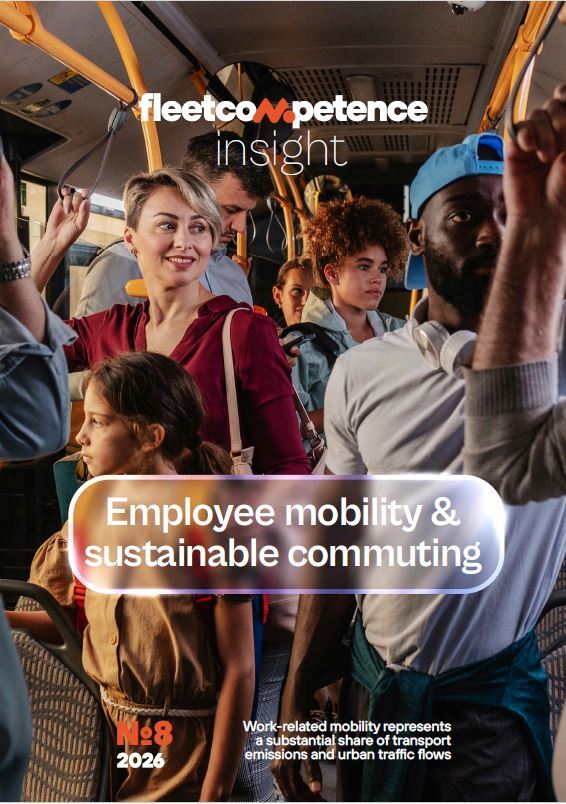
Our fleet electrification support considers vehicle suitability, charging infrastructure, telematics, energy management and sustainability reporting as connected parts of the transition building on our recent white paper Employee Mobility & Sustainable Commuting.
Is technology enough on its own?
No. A digital platform can make information more accessible, but it cannot decide who owns fleet standards, how data should be maintained or how changes should be managed. Without that governance, organisations risk digitising inconsistent processes rather than improving them.
The white paper describes the role of a Fleet Centre of Excellence: a central function responsible for setting standards and policies, owning processes and change control, monitoring data quality, and supporting continuous improvement.
Country and business-unit teams still have an important role. They retain responsibility for local execution and can respond to local requirements, while operating within a shared framework. That balance is important: central consistency should improve visibility and control, not undermine operational effectiveness.
How should a complex organisation roll out change?
Treating every country or business unit as a separate implementation can lead to duplicated effort and inconsistent results. The paper recommends a wave-based rollout instead.
In practice, that means defining core data and process templates once, reusing integration patterns across markets and onboarding new units through a structured approach. The organisation can learn from each wave and refine the next, while reducing implementation risk and accelerating time to value.
This approach also helps connect digital change to a wider fleet strategy. Before selecting technology, it is useful to understand what you need to improve: cost visibility, compliance processes, reporting, electrification planning or another operational priority. The right solution should follow those needs, not the other way round.
What changes when the fleet becomes more transparent?
When data is normalised and processes are digitalised, leaders can ask more useful questions and get more comparable answers:
- Which business units manage their fleets most efficiently?
- Where are the cost or emissions outliers, and what is driving them?
- How might a policy or market change affect the fleet?
- Are decisions being made using consistent information across locations?
That visibility gives the organisation a stronger basis for financial modelling, risk management and sustainability planning. Fleet management can then develop from an operational necessity into a strategic leadership asset: one that supports cost control, fleet cost reduction, compliance and credible ESG outcomes.
What does the white paper recommend as a next step?
The paper sets out a modular support path, so organisations can start with the questions they need to answer rather than commit to a single large programme. This can include a Fleet Digital Maturity Assessment, Strategic Use Case Definition, a live Fleet Tools platform walkthrough, and a Business Case and Implementation Roadmap. The business case can quantify potential value across TCO, risk reduction and CO₂ impact.
The Insight is produced by FleetCompetence International and, in the United Kingdom, operated by LetsTalkFleet. You can find out more about our strategic consultancy and international fleet consultancy. Explore the FleetCompetence Insights library, or get in touch with us to request the new white paper and discuss where your organisation might begin.
There is no single digital model for every fleet. The right starting point depends on your data, processes, markets and priorities. Let’s talk about how to make technology work for your fleet, and turn better information into practical progress.
LetsTalkFleet International Fleet Consultancy
Our whitepaper is free to download, any questions contact us or call us on 0330 056 3335