
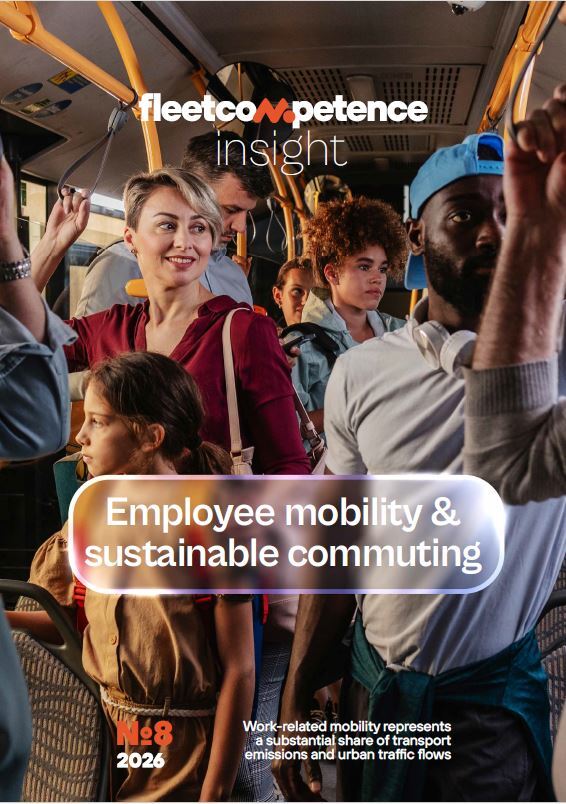
The UK Corporate Mobility Guide 2026
The UK Corporate Mobility Guide 2026
Across Europe, companies are already required to monitor and manage employee commuting.
UK businesses are next in line.
Why Employee Commuting Is Becoming a Business Issue
Work-related mobility represents a major share of transport emissions and urban traffic.
Governments across Europe are increasingly requiring employers to help reduce commuting emissions.
In many countries companies must now:
• report employee commuting emissions
• create workplace mobility plans
• subsidise sustainable transport
While the UK does not yet mandate mobility plans, commuting now affects:
• carbon reporting
• ESG commitments
• talent attraction
• corporate travel costs
Forward-thinking companies are already preparing.
What’s Inside the Guide
The guide explains how organisations can improve commuting efficiency while reducing costs and emissions.
Inside you will discover:
✔ How European governments are regulating employee commuting
✔ Why commuting emissions are becoming a key Scope 3 reporting issue
✔ The biggest commuting challenges companies face
✔ Practical mobility solutions that reduce costs and emissions
✔ How employers can implement mobility strategies quickly and affordably
EUROPE IS MOVING FAST
Corporate Mobility Regulation Is Expanding Across Europe
Across Europe, governments are introducing laws requiring employers to manage commuting behaviour.
Examples include:
France - Employers must reimburse at least 50% of public transport costs.
Italy - Companies with 100+ employees must appoint a mobility manager.
Netherlands - Employers must report commuting emissions annually.
Spain - Large workplaces must create sustainable mobility plans.
These changes reflect a broader trend: employers are becoming key players in reducing transport emissions.
“Are you ready to start the journey?” Contact fleetcompetence United Kingdom to get your guide - Click Here to Get the guide